
Beyond the Reef: Culture, Community and Daily Life Near Metita Island
Most people that plan a visit to Metita Island are focused on marine life, but outside of diving the human landscape is also extremely rich. Morotai, Metita’s larger neighbor, is a really interesting place to explore. The unique culture of the island, as well as historical events have shaped the island much more than most people know.
For a real in depth travel experience, understanding the people, stories, and traditions of Morotai is essential. This cultural curiosity will enhance your visit to the area into a more rounded experience.
The Cultural Tapestry of North Halmahera & Morotai
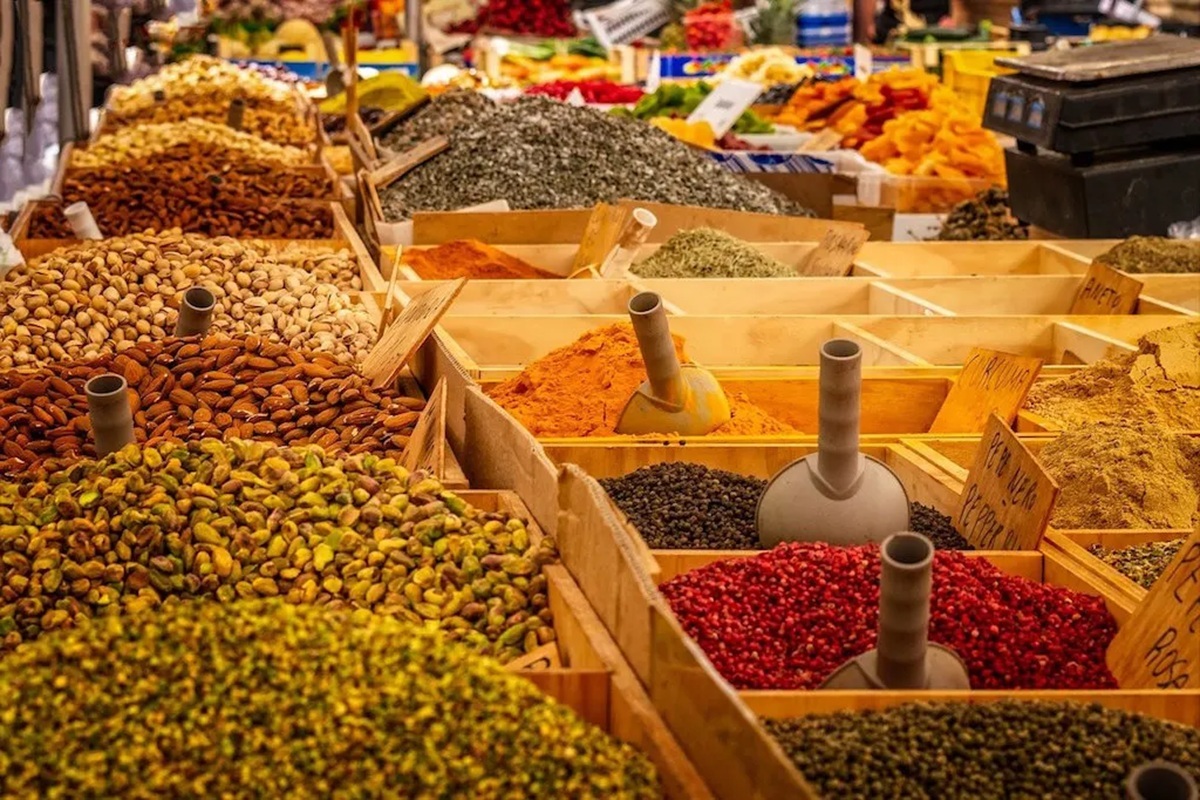
Morotai and Metita Islands are part of North Maluku Province. This is an area rich in spices like cloves, and also holds a strong position in the Pacific Ocean making it very attractive to world powers.
The region was inhabited by Melanesians as far back as 40,000 years and was used as a trading post by the Majapahit Kingdom, and Chinese traders. Previous to the Portuguese attempting to colonize the islands in the 1500s, these islands were under the reign of the Ternate Kingdom. Although the Portuguese were only partly successful, the powerful Dutch took hold of the islands in the early 17th century and stayed (with a few shaky periods) until WWII.
At the outbreak of WWII the Japanese rushed in to grab Maluku because of its strategic position. At the end of WWII the Japanese capitulated to the Allied Forces and just days later Maluku was declared one of the provinces of the newly declared Republic of Indonesia.
Cultural Identity
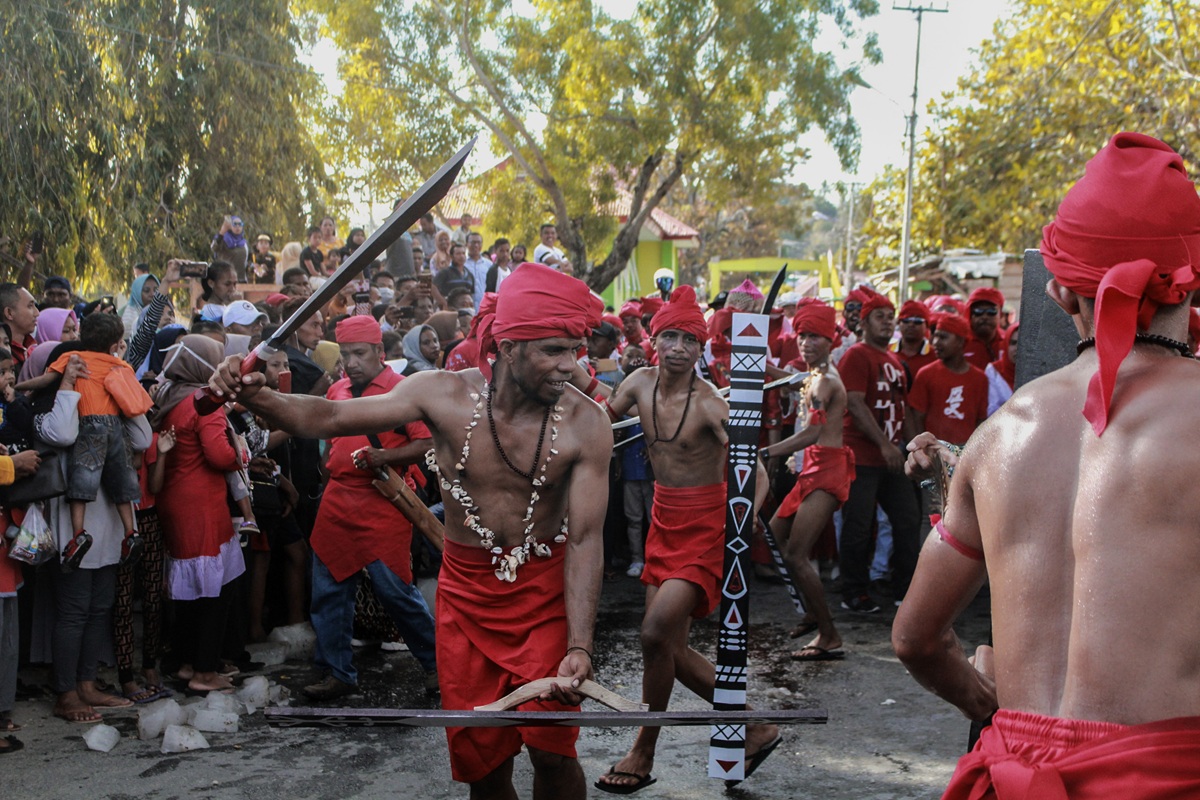
Maluku has been a centre of trade for many centuries. From the Middle East came Islam, from Europe Christianity. The province is now around 50% Muslims and 50% Christians, but there is much more to the culture due to the sheer amount of different peoples that passed through the islands. You will often find families in Maluku that have Spanish, Portuguese, Dutch, or Arabic names because the island is so multi-racial. Despite being of such mixed blood, Moluccans have very strong ties to their land, languages, cultural dress, and especially music and dance.
Although Bahasa Indonesia is the official language of Maluku, the large number of islands separated by long distances from each other has meant that there are hundreds of dialects collectively known as bahasa tanah (languages of the land).
In North Halmahera and Morotai, where Metita Island is located, most people speak North Halmahera dialects, which are some of the westernmost Papuan languages. Morotai has it’s own unique dialect but Ambonese Malay is also widely spoken.
The most famous dance from the Moluccas is the Cakalele, in which men dressed in warpaint perform a mock battle with spears. Like many of the dances and songs from the area, the dance describes the might and fierceness of the Moluccans.
Island Life Day-to-Day
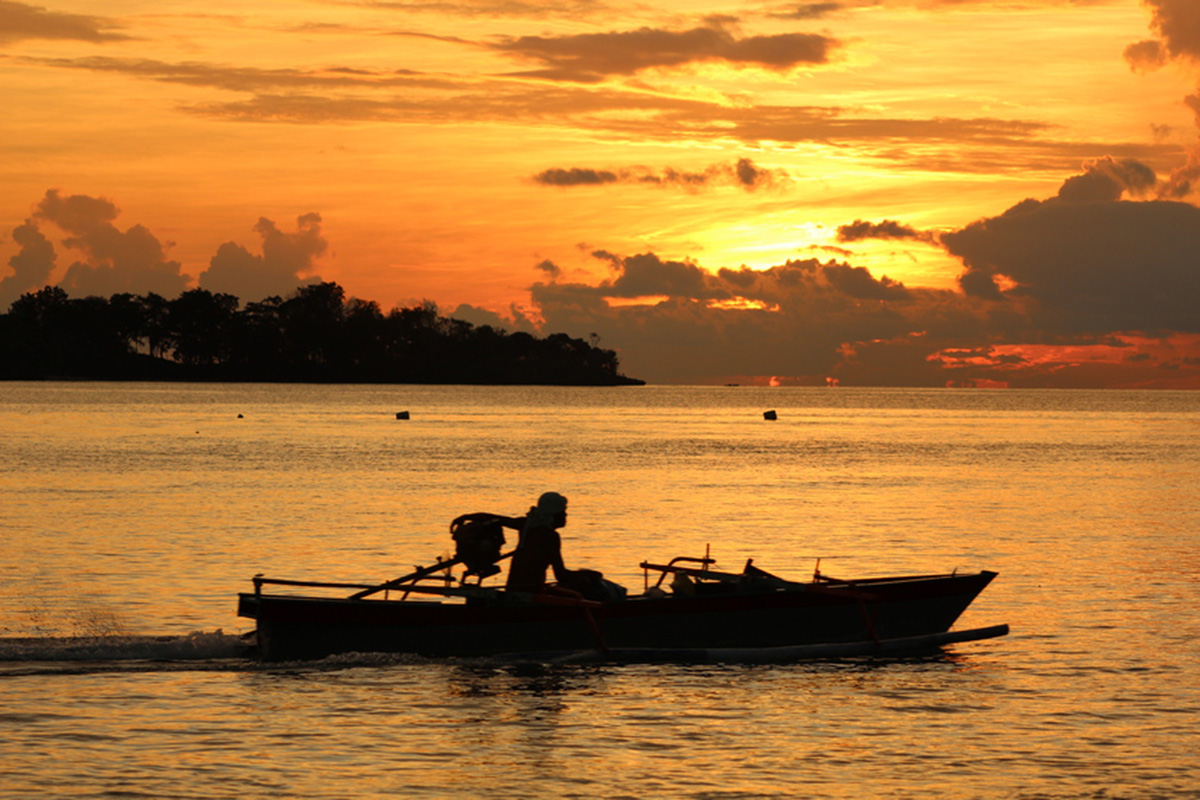
Morotai is an island, like many others in the regency, that relies on fishing and farming to sustain the communities. The majority of the 60,000 people in Morotai live in coastal villages, and generally the men spend their days fishing for yellowfin tuna with sustainable handline methods.
Crops like coconut, breadfruit, and bananas are usually sold in local markets and spices that can fetch a higher price might get sold in one of the larger mainland towns or cities. Cloves and nutmeg are two of the main spice crops on the island. In fact, cloves are native only to the islands of Maluku and have been farmed there for centuries. This was one of the main attractions for spice traders from all over the world.
Taste of the Island: Local Food Culture

If you are a traveling foodie and would like a taste of Morotai, you will find plenty of fresh seafood, coconut-based dishes, and of course the spices of the Maluku islands. Freshly caught tuna is served with spicy sambal and rice almost everywhere you go. If you’re feeling brave, laor, or sea worms are gathered and served many different ways as a local delicacy. Smoked, fried, grilled or fermented, choose the most appetizing way for you.
At Metita Resort you will be served a mixture of local and ‘western’ dishes for breakfast lunch and dinner. Ingredients mostly come from Morotai by boat and include the freshest sea food, locally farmed vegetables, and plenty of fresh fruit.
How Tourism Intersects With Local Life
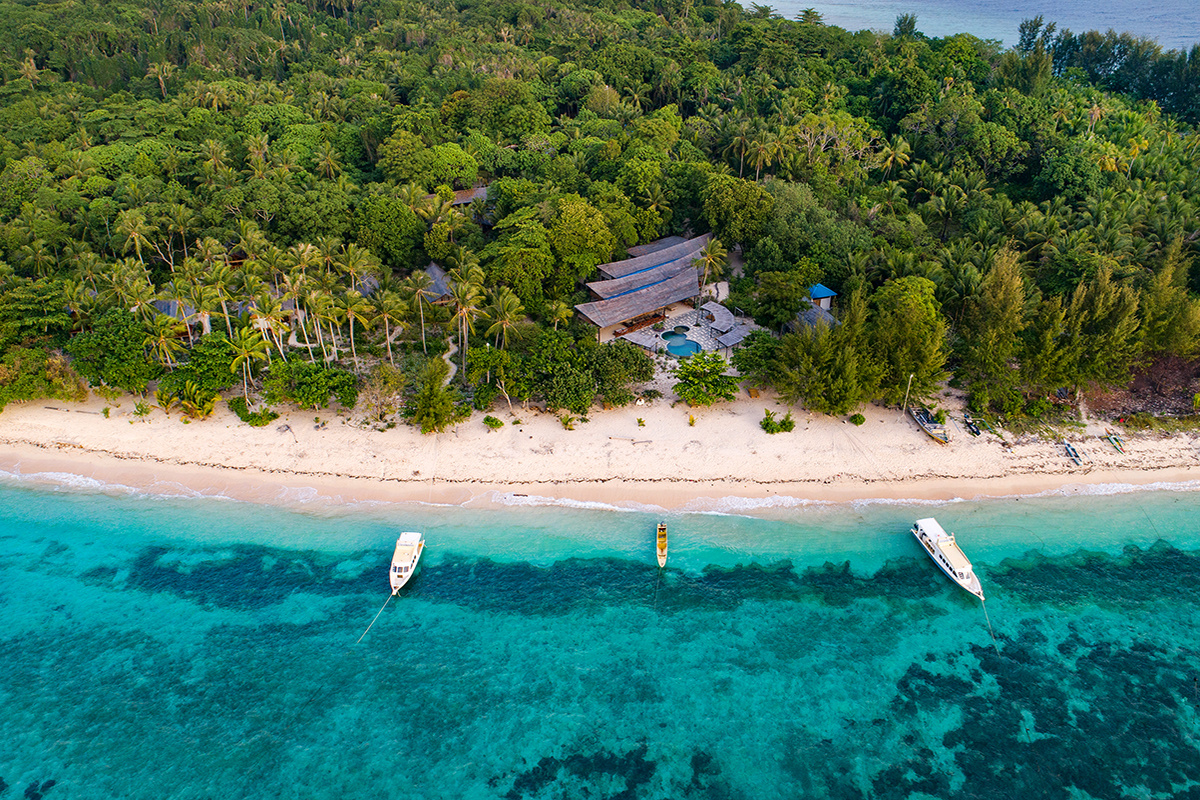
As tourism begins to grow on Morotai, more local people are taking jobs in the hospitality industry. Tour guides, boat services, craft makers, and suppliers of necessary food and other items for tourists all benefit from the industry. Most of the staff at Metita Resort are from the area, which is not just because it is convenient, but also because the local people know the islands best.
When local communities are involved in the running of the tourism industry in their area, there is a higher likelihood that they will participate in reef protection, waste reduction, and eco-initiatives. Sustaining the environment and local traditions is a positive cycle that will encourage tourists to come far into the future.
As you can see, Metita Island is much more than the incredible marine life found there. The mix of cultures and historical events have shaped the Morotai you see today. Its people, stories, and culture are the product of so many different elements. If you take the time to connect to this special place, it won’t just be a holiday you are on but an experience that also forms who you are.